
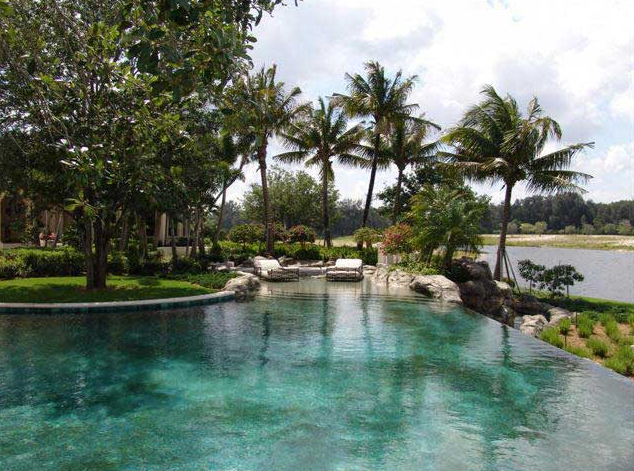
Start With the Landscape You Already Have
A custom pool should enhance the character of your backyard rather than erase the landscape that makes it special. Existing trees can provide shade, privacy, seasonal beauty, and a natural sense of maturity that newly planted landscaping cannot immediately replicate. Instead of treating established trees as obstacles, we can incorporate them into the overall pool design from the beginning. Their location, size, root systems, canopy, and surrounding conditions should all be considered before excavation or construction begins. This approach allows the pool, patio, planting areas, and trees to work together as one cohesive outdoor environment. At U.S. Pool Builder, we approach each backyard as an individual space and develop designs that respect its existing character.
Evaluate Existing Trees Before Designing the Pool
The first step in creating a pool around existing trees is understanding what is already growing in the backyard. We consider the tree species, trunk diameter, canopy spread, root zone, health, and expected future growth before determining where the pool should be positioned. Mature trees can have extensive root systems that may extend well beyond the visible canopy, making careful planning especially important. We also evaluate how excavation, grading, drainage, construction traffic, and changes in soil conditions could affect nearby trees. Understanding these factors early gives us a stronger foundation for developing a practical pool layout. A thoughtful site evaluation can protect valuable landscaping while helping the finished pool feel naturally integrated into the property.
Create a Pool Layout That Works With Nature
The shape of the pool does not always need to follow a traditional rectangle or symmetrical design. A custom pool can incorporate curves, angled sections, offsets, tanning ledges, raised walls, and other features that respond to the existing landscape. This flexibility can make it possible to position the pool around important trees while maintaining comfortable swimming and entertaining areas. Rather than forcing the backyard into a predetermined layout, we can use the available space to create a design that feels intentional. The resulting pool can appear as though it belongs naturally within the landscape instead of looking like an object placed into an existing yard. Our goal is to balance usable pool space with the natural features that already give the backyard its personality.
Preserve the Character of Mature Trees
Mature trees often serve as visual anchors that define how a backyard feels throughout the year. Removing them simply to create a conventional pool shape can change the atmosphere of the entire property. When conditions allow, we can design around established trees and preserve the shade, texture, and visual depth they provide. A large tree near a pool can create a comfortable transition between the hardscape and the surrounding landscape. It can also help soften the appearance of concrete, stone, tile, and other pool construction materials. With careful planning, the tree can become part of the pool environment instead of something that needs to be removed from it.
Consider Root Protection During Construction
Tree preservation requires more than simply leaving the trunk untouched during construction. Excavation equipment, heavy machinery, soil compaction, grade changes, and material storage can potentially affect roots and the surrounding growing environment. We therefore consider construction access and excavation limits when developing a pool plan near established trees. Where appropriate, additional professional evaluation may be recommended to understand how construction could affect particularly valuable or sensitive trees. Protecting the root zone can help preserve the tree’s long term health while allowing the pool project to move forward. Careful planning before construction begins is one of the most effective ways to reduce avoidable landscape damage.
Use Hardscape to Connect Trees and Pool Areas
The hardscape surrounding a pool can help connect the architecture of the pool with the organic character of mature landscaping. Natural stone, textured pavers, concrete finishes, coping materials, and carefully positioned planting areas can create a gradual transition between the pool and existing trees. We can use changes in texture and elevation to make the landscape feel layered rather than divided into separate zones. Seating areas can also be positioned beneath or near suitable trees to create shaded spaces for relaxing outside the pool. This combination of hardscape and greenery can make the entire backyard feel more cohesive and comfortable. When each material is selected with the existing landscape in mind, the finished space can have a more natural and personalized appearance.
Plan for Shade and Sunlight
Existing trees can influence how much sunlight reaches different areas of the pool throughout the day. This can affect water temperature, deck comfort, outdoor furniture placement, and the usability of different sections of the backyard. We consider the existing canopy and its relationship to the pool before finalizing the location of seating areas, tanning ledges, outdoor kitchens, and entertainment spaces. A tree that provides afternoon shade may become a valuable feature for guests who want to relax away from direct sunlight. At the same time, excessive shade over certain pool areas may need to be considered during the planning process. Designing around the movement of sunlight can help create an outdoor space that remains comfortable and functional throughout the day.
Design Around Seasonal Changes
Trees change considerably throughout the year, and those seasonal changes should be considered when planning a pool landscape. Deciduous trees can create beautiful spring and summer environments while producing leaves and other organic material during certain seasons. Evergreen trees may provide consistent privacy and greenery but can also affect shade patterns and maintenance requirements. We consider how the landscape will look and function across different seasons rather than focusing only on the appearance of the backyard during construction. Pool positioning, drainage, landscaping, and maintenance planning can all be influenced by these seasonal conditions. Thinking beyond the first day of completion helps create a backyard that continues to work beautifully as the landscape evolves.
Balance Pool Maintenance With Natural Landscaping
A backyard with mature trees can require additional consideration when it comes to pool maintenance. Leaves, flowers, seeds, pollen, and other natural debris may enter the pool depending on the tree species and its proximity to the water. This does not necessarily mean trees should be removed or avoided, but it does mean the pool design should account for their presence. We can consider equipment placement, circulation, pool covers, deck drainage, and cleaning access as part of the overall design process. Strategic positioning can help make routine maintenance more manageable while preserving the landscape features homeowners value. The right balance allows you to enjoy both a beautiful pool and the established character of your backyard.
Make the Tree Part of the Design
Instead of hiding an existing tree behind landscaping, consider making it a deliberate focal point within the overall backyard composition. A mature tree can frame a pool, define an outdoor lounge, provide a natural backdrop, or create visual separation between different areas. We can use surrounding paving, planting beds, lighting, and furniture placement to emphasize the tree without overwhelming it. The pool itself can be positioned to create attractive sightlines toward the trunk and canopy from inside the house or from the patio. This creates a relationship between the pool and landscape that feels purposeful rather than accidental. A well integrated tree can become one of the most memorable elements of a custom outdoor living space.
Add Features That Complement the Existing Landscape
Pool features should support the character of the backyard instead of competing with established trees and landscaping. Waterfalls, raised walls, fire features, spas, tanning ledges, and outdoor seating can be positioned to create visual connections between different parts of the property. We can also coordinate finishes and materials so the pool complements the colors and textures already present in the landscape. For example, natural stone tones can visually connect pool coping with tree beds, retaining walls, and surrounding garden areas. The objective is to create a unified environment where every element has a clear relationship with the others. This type of design can make the backyard feel more like a complete outdoor living space than simply a swimming area.
Think About Privacy Without Removing Trees
Existing trees can be valuable privacy features, particularly when properties are close to neighboring homes. Instead of constructing tall privacy walls or removing trees to change sightlines, we can use mature vegetation as part of the privacy strategy. The pool can be positioned to take advantage of existing screening while additional landscaping can fill gaps where needed. This can create a more natural sense of enclosure around the pool without making the backyard feel closed off. Strategic planting can also reinforce the relationship between the pool, patio, and surrounding property boundaries. A thoughtfully designed privacy plan can make the pool area feel secluded while preserving the established character of the landscape.
Design for the Tree’s Future Growth
A tree that looks appropriately sized today may become significantly larger over the years. Its branches, canopy, trunk, and root system can continue expanding, which makes future growth an important part of pool planning. We consider the long term relationship between the tree and nearby structures rather than designing only around its current dimensions. This can help reduce future conflicts involving shade, roots, branches, drainage, and access to the pool area. Planning for growth can also help protect the investment made in both the landscaping and the pool. A successful custom pool design should continue to make sense as the backyard matures over time.
Build a Backyard That Feels Naturally Connected
The best custom pool environments often feel connected to the landscape rather than separated from it. Existing trees can provide scale, shade, privacy, texture, and character that help transform a pool into a complete outdoor destination. We can combine thoughtful pool placement, appropriate materials, functional hardscape, landscape planning, and tree preservation strategies to create that connection. Every element should contribute to how people move through the backyard, use the pool, relax outdoors, and experience the surrounding landscape. When the design respects what is already valuable on the property, the result can feel more authentic and personal. At U.S. Pool Builder, we work to create outdoor spaces where the pool and existing landscape complement one another.
Begin Planning Your Custom Pool
If you have mature trees in your backyard, you do not necessarily need to choose between preserving them and building the pool you want. The right planning process can identify opportunities to work with the existing landscape while addressing practical construction and maintenance considerations. We can help evaluate the available space, understand the relationship between the trees and proposed pool area, and develop a design around the unique characteristics of your property. A custom approach gives you greater flexibility to create swimming, entertaining, relaxation, and landscaping areas that work together. The earlier these considerations are addressed, the easier it can be to create a cohesive plan for the entire backyard. Contact U.S. Pool Builder today to discuss your property and start planning a custom pool that works with the trees and character you already love.