
Understanding Greater Houston’s Weather Before Starting a Pool Project
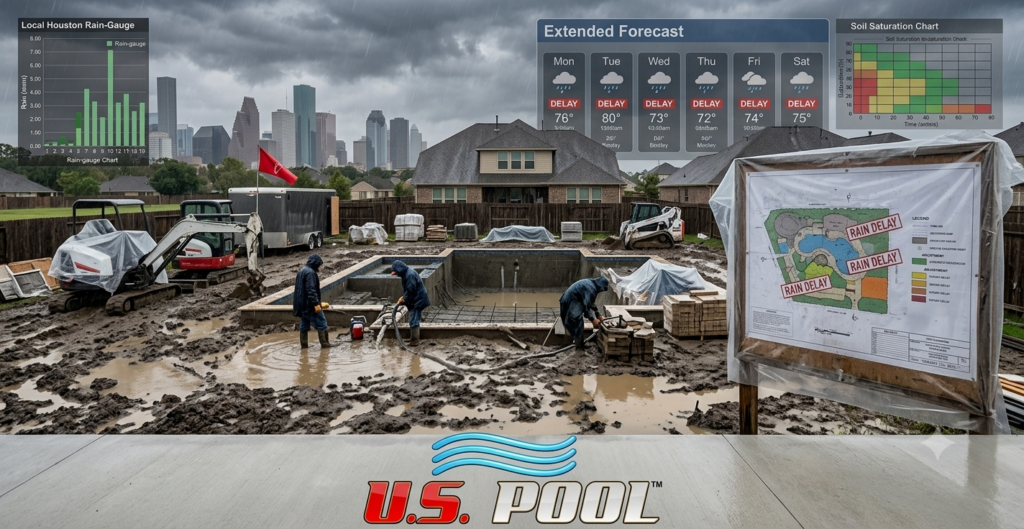
Planning a swimming pool project in Greater Houston requires careful consideration of local weather patterns, seasonal rainfall, soil conditions, and construction schedules. Although the region’s warm climate makes swimming pools an attractive addition to residential properties, frequent rainstorms can affect several stages of construction. Heavy rainfall may delay excavation, soften the ground, interfere with concrete work, and create challenges for equipment access. Homeowners who understand these potential obstacles can make better decisions about when to begin construction and how to prepare their properties. At U.S. Pool Builder, we recognize that successful pool construction involves more than selecting a design and choosing materials, as weather planning also plays an important role in project management. By accounting for Greater Houston’s changing conditions from the beginning, we help homeowners establish realistic expectations and work toward a smoother construction experience.
How Greater Houston’s Rainy Season Affects Swimming Pool Construction
Greater Houston experiences rainfall throughout the year, but certain periods can bring more frequent thunderstorms, intense downpours, and prolonged wet conditions. Spring and early summer can be particularly challenging because rainstorms may develop quickly and interrupt outdoor construction activities. Tropical systems and hurricanes can also bring extended periods of heavy rainfall, especially during the Atlantic hurricane season from June through November. These conditions can affect excavation, grading, drainage installation, structural work, and other activities that depend on stable ground and suitable weather. Even when rain stops, construction may not resume immediately because saturated soil can remain unstable and work areas may need time to drain and dry. Understanding these seasonal challenges helps homeowners plan a more flexible timeline rather than assuming every scheduled construction day will proceed as expected.
Choosing the Right Time to Start Your Swimming Pool Project
Selecting an appropriate construction start date can help reduce weather-related interruptions, although no season completely eliminates the possibility of delays in the Greater Houston area. Homeowners who want their pools ready for summer should consider beginning the planning process several months in advance so there is enough time for design development, permitting, scheduling, and construction. Starting earlier may provide greater flexibility when unexpected rainstorms interrupt the work, particularly during periods of higher demand for pool construction services. Fall and winter can offer useful planning and construction opportunities, depending on temperature, soil conditions, contractor availability, and the scope of the project. However, cooler weather does not guarantee uninterrupted progress because winter storms, cold fronts, and wet ground can also affect outdoor work. Our approach at U.S. Pool Builder focuses on evaluating the property, discussing the homeowner’s preferred completion date, and developing a schedule that accounts for both seasonal conditions and the practical requirements of the project.
Why Excavation Requires Special Attention During Wet Weather
Excavation is one of the most weather-sensitive stages of swimming pool construction because it exposes the soil and changes the natural condition of the construction area. When Greater Houston receives substantial rainfall, excavated soil can become muddy, unstable, and difficult for heavy machinery to navigate safely. Water may collect inside the excavation, requiring pumping, drainage measures, and additional time before the next stage of construction can begin. Saturated ground can also complicate access for trucks, excavators, and other equipment, potentially affecting nearby landscaping, driveways, and surrounding areas. Attempting to continue excavation under unsuitable conditions can increase safety risks and create problems with the accuracy and stability of the prepared site. Allowing the ground to recover and confirming that the excavation remains suitable for the next phase can help prevent avoidable complications later in the project.
Managing Groundwater and Water Accumulation Around the Pool Site
Rainwater management deserves attention before excavation begins, particularly on properties with low-lying areas, poor drainage, or a history of standing water. Heavy rainfall can move across a backyard and collect in the proposed pool area, especially when existing grading directs runoff toward the excavation. Groundwater conditions may also affect construction, although the extent of the risk depends on soil characteristics, property elevation, and the local water table. A suitable drainage strategy can help control surface water and reduce the likelihood of repeated flooding during construction. Depending on site conditions, the project may require temporary pumping, erosion-control measures, or a more comprehensive assessment of permanent drainage improvements. At U.S. Pool Builder, we encourage homeowners to discuss known drainage concerns early so that potential water-management requirements can be evaluated before they become unexpected construction challenges.
Understanding Greater Houston’s Soil Conditions and Their Impact on Construction
Greater Houston properties can contain expansive clay soils, sandy deposits, and other soil types that respond differently to moisture. Clay-rich soils are particularly important to consider because they can absorb water, soften during wet conditions, and shrink as they dry. These moisture changes may influence excavation stability, equipment access, grading, and the preparation required for a swimming pool structure. Soil conditions can vary considerably from one neighborhood or property to another, so assumptions based on nearby homes may not accurately reflect the conditions at a specific site. Depending on the proposed pool design and site characteristics, professional evaluation may be necessary to determine whether additional engineering, drainage measures, or soil preparation is appropriate. Taking these factors into account before construction begins can help homeowners make informed decisions about site preparation and reduce the likelihood of weather-related complications.
How Rain Delays Affect Different Stages of Pool Construction
Rain does not affect every construction activity in the same way, which is why a realistic project schedule should account for the requirements of each stage. Excavation and earthmoving may need to stop when the soil becomes too wet, while steel reinforcement, plumbing installation, and electrical work can also be affected by unsafe conditions or standing water. Concrete and gunite applications require suitable preparation and must follow the contractor’s material-specific procedures, so rainfall and site conditions may influence when these activities can proceed. Decking, coping, tile installation, and exterior finishes may also require appropriate weather conditions for installation, curing, or bonding. Landscaping and final grading can be especially difficult to complete properly when the ground is saturated or vulnerable to erosion. By understanding how weather affects each phase, homeowners can better appreciate why a delay in one activity may influence several subsequent tasks.
Why Concrete and Gunite Work Need Careful Weather Coordination
Structural pool construction requires particular attention to weather because concrete-related materials must be placed, finished, and cured under appropriate conditions. Rain during certain stages can interfere with surface quality, alter the condition of exposed materials, or complicate the work area, depending on the construction method and the intensity of the rainfall. Excess water must not be allowed to compromise the intended material mix or the contractor’s established installation procedures. High temperatures and direct sunlight can also influence moisture loss and curing, meaning that planning must consider more than rain alone. Contractors may need to adjust the timing of concrete placement, provide suitable protection, or postpone work when the forecast indicates unfavorable conditions. Careful coordination helps protect the structural quality of the pool and reduces the risk of corrective work that could add expense or extend the schedule.
Building a Realistic Timeline With Weather Delays in Mind
A swimming pool construction timeline should include realistic allowances for weather interruptions instead of relying on an uninterrupted sequence of workdays. The overall duration depends on the pool’s dimensions, design complexity, site conditions, permitting requirements, material availability, subcontractor schedules, and the scope of additional features. A straightforward project may progress differently from a custom pool that includes a spa, elaborate water features, extensive decking, retaining walls, or complex landscaping. Rain can also create indirect delays when one contractor cannot begin until another stage has been completed and inspected. Homeowners should discuss estimated milestones, potential weather contingencies, and communication procedures before work starts. At U.S. Pool Builder, we believe clear scheduling discussions help homeowners understand that a flexible timeline is a practical part of managing an outdoor construction project in Greater Houston rather than a sign that the project is being handled inefficiently.
Preparing Your Backyard Before Construction Begins
Proper preparation can make a meaningful difference when rain arrives during pool construction. Homeowners should discuss site access, temporary equipment routes, existing drainage patterns, and the protection of nearby structures before excavation begins. Outdoor furniture, decorative items, and movable landscaping features may need to be relocated so that construction crews can work safely and efficiently. Existing irrigation systems, underground utilities, trees, fences, and nearby hardscape should be identified and considered during site planning. Depending on the property, the contractor may recommend erosion-control measures or temporary arrangements to direct surface runoff away from vulnerable areas. Preparing the backyard in advance can help reduce disruption, protect surrounding features, and make it easier to resume construction once weather conditions improve.
Protecting Materials and Equipment During Rainy Periods
Material storage and equipment protection are important considerations when a pool project extends through periods of frequent rainfall. Construction materials should be stored according to manufacturer recommendations and protected from excessive moisture, contamination, or physical damage. Cement-based products, electrical components, adhesives, and other moisture-sensitive materials may require specific storage conditions to preserve their suitability for installation. Equipment should be positioned on appropriate ground where possible, with access routes assessed for mud, standing water, and potential erosion. Temporary coverings and other protective measures may be useful, but they must be installed and managed in a way that does not create additional safety hazards. Coordinating these precautions with the construction team can help minimize material waste, reduce avoidable costs, and support a more organized worksite during unpredictable weather.
Why Drainage Planning Matters Beyond the Construction Phase
Weather-related drainage concerns do not end when the pool has been installed, because the completed backyard must continue to manage Greater Houston’s rainfall effectively. A swimming pool changes the layout of the property, and new decking, retaining walls, patios, and other hard surfaces can alter how water moves across the ground. If grading and drainage are not properly considered, runoff may collect near the pool, move toward the house, or affect neighboring areas. Depending on the property, drainage planning may involve carefully designed slopes, suitable surface drainage systems, or other measures selected for the site’s conditions. Homeowners should also understand that pool overflow, equipment discharge, and backwash water must be managed according to applicable requirements and the system’s design. Integrating drainage considerations into the original pool plan can help protect the surrounding property and support the long-term usability of the outdoor space.
Managing Permits, Inspections, and Contractor Scheduling
Weather is only one factor that can affect a pool construction schedule, so permitting and inspection requirements should be addressed early in the planning process. The specific approvals required can depend on the municipality, property location, pool design, barrier requirements, electrical installations, and other project details. Some construction stages may require inspections or approvals before subsequent work can proceed, and availability can vary depending on local scheduling. When rain interrupts construction, inspection dates and subcontractor appointments may need to be rearranged to reflect the revised sequence of work. Homeowners can help by responding promptly to documentation requests, confirming design decisions, and maintaining communication with the project team. Coordinating administrative requirements with anticipated weather risks creates a more complete project schedule and reduces the chance that avoidable paperwork or scheduling issues will compound an existing delay.
Communicating With Your Pool Contractor During Weather Delays
Consistent communication is essential when changing weather conditions affect a planned construction schedule. Homeowners should know who will provide updates, how schedule changes will be communicated, and which project milestones are most likely to be affected by rainfall. A useful update should explain what work has been postponed, why the site is not currently suitable, and what conditions must improve before construction can resume. It should also clarify whether the delay affects the next milestone or is likely to shift the expected completion date. Rather than focusing exclusively on individual lost workdays, homeowners should consider how the interruption affects the remaining sequence of construction activities. Open communication helps establish realistic expectations, supports better planning for deliveries and inspections, and reduces uncertainty throughout the project.
Planning for Tropical Storms and Hurricane Season
Greater Houston’s location along the Gulf Coast makes tropical weather an important consideration for pool construction planning. Hurricane season runs from June through November, and tropical storms can bring prolonged rainfall, strong winds, localized flooding, and disruptions that extend beyond the immediate construction site. Before this period, homeowners should discuss how the contractor will secure loose materials, protect equipment, manage temporary excavations, and prepare the property if severe weather approaches. An open excavation requires particular attention because water accumulation, soil instability, and erosion can create additional work and safety concerns. Construction schedules should remain flexible enough to accommodate official weather warnings and any necessary precautions taken by the project team. Planning for severe weather does not eliminate the possibility of delays, but it can help protect the site and reduce the risk of preventable damage.
Keeping Your Pool Project on Budget Despite Weather Interruptions
Weather delays can affect project costs when they lead to additional pumping, site cleanup, equipment mobilization, material protection, or rescheduling. However, the financial impact varies according to the contract, the nature of the delay, the condition of the property, and the work required to restore the site. Homeowners should review their construction agreement carefully to understand how weather-related interruptions, extensions, additional work, and unforeseen site conditions are addressed. It is also sensible to maintain a contingency allowance for unexpected expenses rather than allocating the entire budget to planned construction activities. Clear documentation of approved changes and additional work can help avoid confusion about costs as the project progresses. Discussing these possibilities before construction begins provides a stronger financial foundation and helps homeowners make decisions without unnecessary pressure when weather conditions change.
Making the Most of Weather-Related Construction Downtime
Although some outdoor activities must stop during heavy rain, a weather delay can provide an opportunity to review other aspects of the project. Homeowners may use this time to confirm lighting selections, finalize landscaping plans, review decking materials, or coordinate furniture and outdoor living features. The construction team may also be able to complete certain administrative tasks, coordinate upcoming inspections, or prepare for work that can safely proceed under the prevailing conditions. However, alternative tasks must fit the actual project sequence and should not be treated as a substitute for work that depends on proper site conditions. It is important to avoid rushing structural work or installing materials before the site is ready simply to recover lost time. Using downtime productively can help maintain momentum while preserving the quality and safety standards required for a successful pool installation.
Preparing for Pool Completion and the First Swimming Season
Homeowners planning to enjoy their pools during a particular season should account for the work that remains after the main structure is complete. Finishing tasks may include decking, coping, equipment installation, electrical checks, interior finishing, landscaping, inspections, and water balancing, depending on the project. Weather interruptions during these later stages can still affect access, material installation, curing, and the completion of outdoor surfaces. Once the pool is ready for startup, the circulation and filtration systems must be checked, water chemistry must be established, and the contractor’s operating instructions should be followed. Any required inspections, safety barriers, and other applicable compliance measures should also be completed before the pool is used. Planning for these final steps from the beginning helps homeowners avoid assuming that completion of the pool shell automatically means the entire swimming area is ready for use.
Choosing a Pool Design That Works With Your Property
The design of a swimming pool should reflect the available backyard space, intended use, maintenance preferences, and physical conditions of the property. In Greater Houston, thoughtful planning also means considering rainfall patterns, surface drainage, soil characteristics, sun exposure, and access for construction equipment. Features such as raised walls, integrated spas, elaborate water features, and extensive hardscaping can increase design complexity and may require additional coordination during construction. A simpler layout may be easier to accommodate on some properties, while a more elaborate design may be appropriate when site conditions, engineering, and budget support it. The right choice depends on the homeowner’s priorities and a professional assessment of the proposed installation area. By considering both design goals and practical construction requirements, homeowners can create a pool project that suits their outdoor lifestyle while accounting for Greater Houston’s variable weather.
Conclusion: Plan Ahead for a Smoother Greater Houston Pool Construction Experience
Planning a swimming pool project around Greater Houston’s rainy season requires realistic scheduling, careful site preparation, effective drainage management, and consistent communication with the construction team. Rain can influence excavation, structural work, material installation, inspections, and landscaping, so every phase should be planned with suitable weather contingencies. Homeowners can reduce avoidable complications by addressing soil conditions, site access, drainage requirements, budget allowances, and seasonal timing before construction begins. They should also understand that postponing work during unsafe or unsuitable conditions can protect the quality of the finished pool and prevent more costly problems later. At U.S. Pool Builder, we recognize the importance of balancing a homeowner’s desired completion date with the practical requirements of building a durable, functional swimming pool. With thoughtful preparation and a flexible construction plan, homeowners can navigate Greater Houston’s unpredictable weather more confidently and move toward creating an outdoor space they can enjoy for years to come.
Pingback: iphone duo specs